 scylla
 How Does a Medical Waste Incinerator Work?
A Practical, Industry-Focused Guide for Modern Healthcare and Environmental Compliance
In today’s healthcare-driven economy―shaped by pandemic preparedness, pharmaceutical expansion, and stricter environmental regulations―the question how does a medical waste incinerator work has become increasingly important. Hospitals, laboratories, quarantine centers, veterinary clinics, and emergency camps all generate infectious and hazardous waste that cannot be disposed of through ordinary landfill systems.
Understanding how does a medical waste incinerator work is not only a technical issue. It is directly linked to public health security, ESG compliance, carbon management strategies, and sustainable waste infrastructure planning.
Why Medical Waste Incineration Matters in 2026
Global healthcare investment continues to expand. Bio-labs, vaccination programs, mobile clinics, and emergency humanitarian missions produce large volumes of contaminated materials:
-
Sharps and syringes
-
PPE and laboratory waste
-
Expired pharmaceuticals
-
Pathological waste
-
Veterinary carcasses
Improper disposal risks secondary infection, groundwater contamination, and regulatory penalties. Governments and institutions increasingly follow WHO and BAT/BEP emission guidance, pushing for controlled thermal destruction with advanced flue gas treatment.
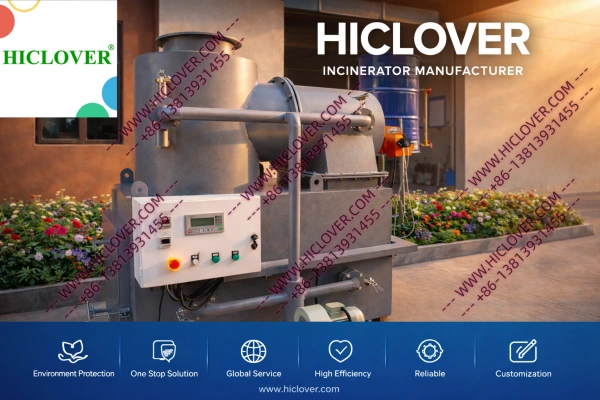
This is where modern industrial manufacturers such as HICLOVER position their systems―not just as burners, but as complete waste treatment solutions.
How Does a Medical Waste Incinerator Work? ― Step-by-Step Technical Overview
To answer how does a medical waste incinerator work, it is essential to break the process into functional stages.
1. Controlled Waste Loading
Medical waste is introduced into the primary combustion chamber. In advanced systems, this is done through:
-
Top-loading door structures
-
Hydraulic or manual feeding
-
Sealed chamber design to prevent operator exposure
HICLOVER systems emphasize operator safety and ergonomic loading, especially in hospital and field conditions.
2. Primary Combustion Chamber (800C1000°C)
Inside the first chamber:
-
Solid waste is ignited by a diesel, LPG, or natural gas burner
-
High-alumina refractory lining withstands extreme temperatures
-
Organic material decomposes into combustible gases and ash
This phase reduces waste volume by up to 90%. The ash becomes inert material suitable for controlled landfill or industrial solidification.
Modern PLC systems precisely control temperature and airflow to ensure complete combustion.
3. Secondary Combustion Chamber (1000C1200°C)
A critical part of understanding how does a medical waste incinerator work lies in the secondary chamber.
Here:
-
Flue gases from the first chamber enter a high-temperature zone
-
Remaining hydrocarbons, dioxins, and pathogens are destroyed
-
Extended gas retention time ensures emission compliance
HICLOVER incinerators are designed with dual-chamber or multi-chamber layouts to meet international standards.
4. Flue Gas Treatment System
Environmental compliance is central to modern waste management.
Depending on project requirements, systems may include:
-
Dry scrubbers (acid-base neutralization)
-
Wet scrubbers (spray quench systems)
-
Activated carbon modules
-
Demisters and chimney stacks
This ensures emissions meet regulatory frameworks in Africa, the Middle East, Asia-Pacific, and other emerging healthcare markets.
5. Automated Control (PLC Intelligence)
Automation defines next-generation incineration.
HICLOVER integrates PLC-based control systems to:
-
Monitor combustion temperature
-
Regulate burner operation
-
Adjust airflow dynamically
-
Provide alarm protection systems
-
Reduce fuel consumption
This aligns with Industry 4.0 manufacturing trends and digital infrastructure upgrades in healthcare facilities.
Modular & Mobile: The Shift Toward Flexible Waste Treatment
Traditional incineration systems required civil construction and long installation periods. However, global trends now favor:
-
Emergency deployment
-
Military and disaster response
-
Remote mining or oilfield camps
-
Island healthcare systems
-
Mobile narcotics destruction units
HICLOVER’s containerized mobile incinerators are factory-assembled, plug-and-play modules:
-
20-ft or 40-ft side-open containers
-
Skid-mounted versions
-
No complex on-site installation
-
Rapid deployment within days
This modular concept directly supports modern crisis-response infrastructure planning.
Factory-Side Advantage: Why Manufacturing Capability Matters
When evaluating how does a medical waste incinerator work, buyers should also ask:
Who designs the refractory system?
Who calibrates the burner?
Who integrates the PLC?
HICLOVER operates as a direct manufacturer―not a trading intermediary―offering:
-
Custom combustion chamber volumes
-
Multi-fuel burner configuration
-
High-grade refractory lining
-
Integrated dry or wet filtration
-
Long-term spare parts supply
Factory-level customization ensures alignment with regional waste composition, power supply conditions, and emission standards.
Global Application Experience
Medical waste incineration is not a one-size-fits-all solution.
Applications include:
-
Government hospitals
-
NGO field clinics
-
UN-supported projects
-
Veterinary disease control programs
-
Pharmaceutical disposal centers
-
Controlled drug destruction
With experience across multiple continents, HICLOVER systems are engineered to handle:
-
Tropical climate conditions
-
Desert installations
-
Remote infrastructure limitations
-
Unstable grid power environments
Environmental, ESG, and Carbon Policy Context
As countries tighten carbon reporting and environmental regulations, thermal destruction must be efficient.
Modern incinerators optimize:
-
Burner fuel consumption
-
Secondary air injection
-
Heat retention
-
Emission filtration
Waste-to-energy recovery modules can also be integrated where required.
For deeper industry research on this topic, you may refer to:
https://www.google.com/search?q=how+does+a+medical+waste+incinerator+work
Direct Manufacturer Contact
For project consultation, technical specifications, or customized medical waste incineration systems, visit:
or contact the engineering team directly at:
Conclusion
Understanding how does a medical waste incinerator work reveals more than a combustion process. It is a structured thermal destruction system involving:
-
Dual high-temperature chambers
-
Intelligent PLC automation
-
Emission control modules
-
Modular factory-built deployment
In a world focused on healthcare security, ESG compliance, and rapid-response infrastructure, modern incineration systems must combine engineering tradition with forward-looking automation.
HICLOVER’s medical waste incinerators reflect that balance―industrial-grade reliability, global project experience, and modular innovation tailored to evolving healthcare demands.
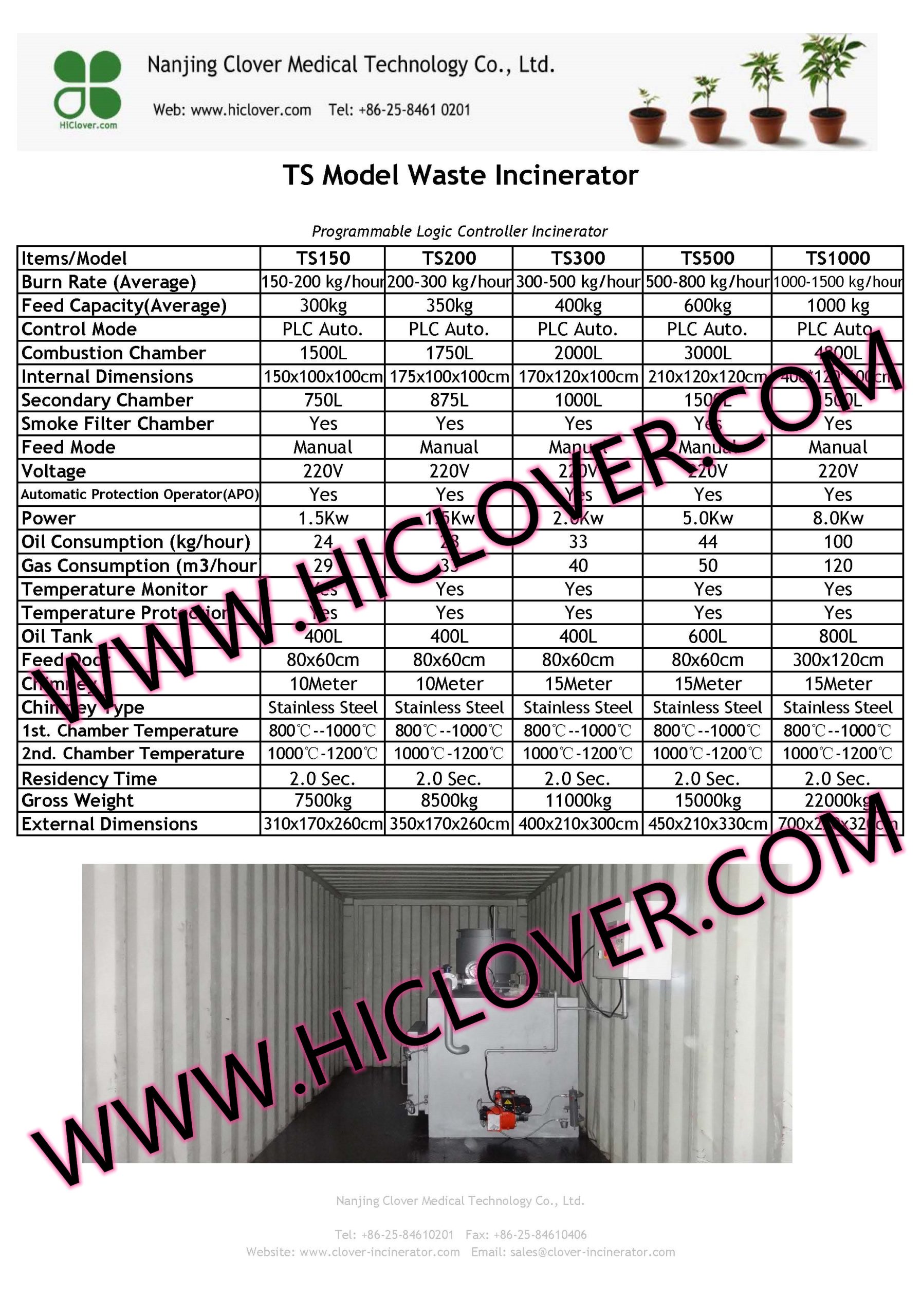
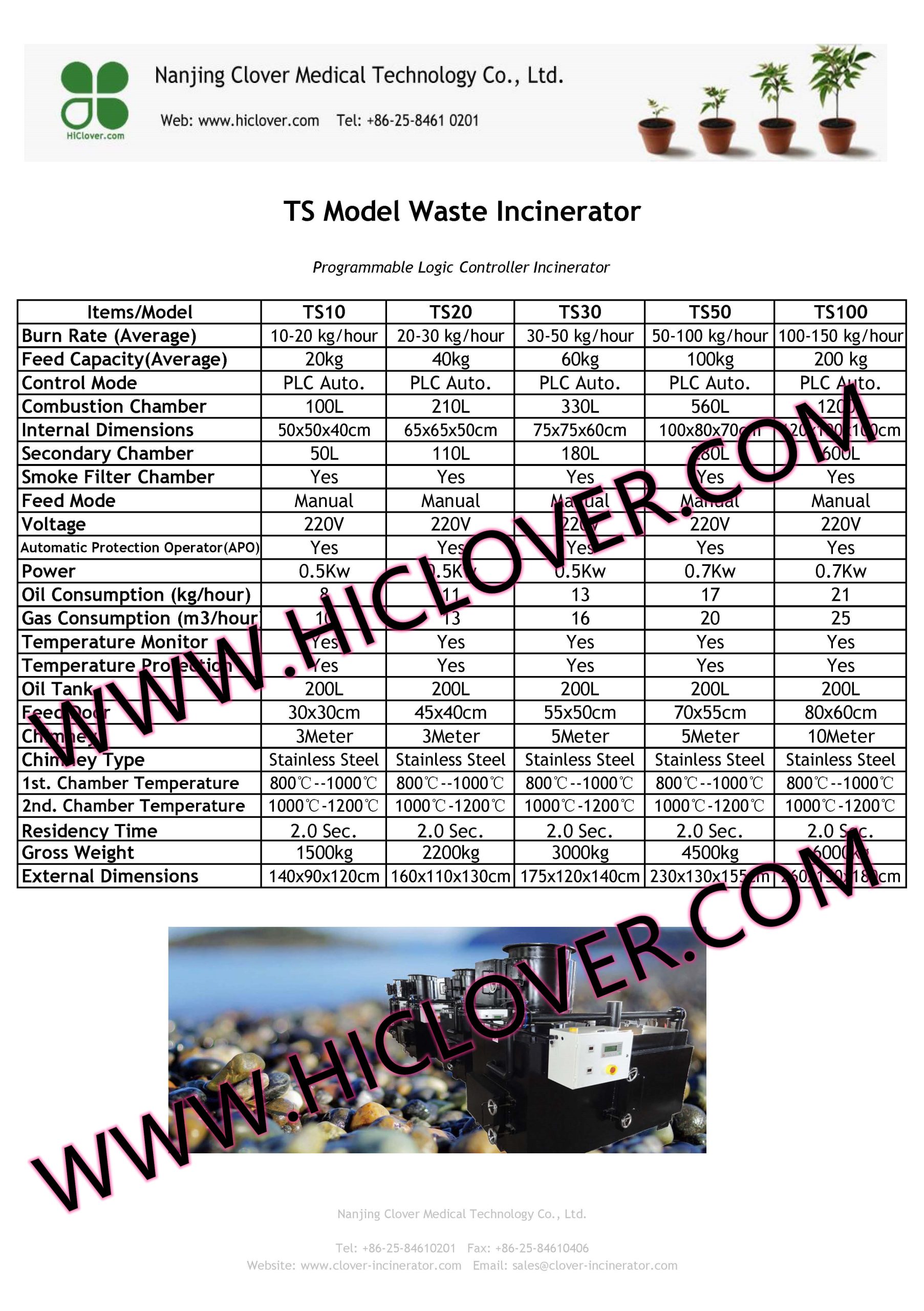
HICLOVER is growing brand for environmental protection field, and market share with most of Africa, Middle East, Southeast Asia countries and part of North America, Europe territory. We are trusted partner for governmental organizations, non-profit organizations, international contractors, logistics organizations, military, pet cremation business owners, etc. We have export experience more than 40 countries, including war zone like Iraq, Afghanistan, Somalia, South Sudan. Mobile: +86-13813931455(WhatsApp) Website: www.hiclover.com Email: [email protected] Email: [email protected]